

If you've been reading up on solar for your Nowra home, you've probably seen payback claims that are all over the place. One website promises a quick return and the next one says it takes years. The honest answer is that solar panel return on investment depends on your household as much as on the system you buy. Two homes on the same street, with the same size system, can end up with very different results.
In this guide we walk through the factors that create those differences, in plain English, so you can work out where your home is likely to sit before you compare quotes.
Key Takeaways
- How and when you use power matters more than system size alone. A household that runs its big appliances during daylight will usually get a better return than one that uses most of its electricity after dark, even with identical panels on the roof.
- Using your own solar beats exporting it. Every kilowatt-hour you use at home offsets the full retail price you'd otherwise pay. Exported power earns a feed-in tariff, which is typically much lower than what you pay to buy electricity.
- Your roof, your system size and whether you add a battery all shift the result. These are property-specific details that no generic figure can capture.
- Get numbers for your home. Denali Solar Nowra offers free on-site assessments, itemised obligation-free quotes and a Solar ROI Calculator to give you a starting estimate.
How solar panel ROI works for a Nowra home
Solar ROI is a simple idea. You compare what the system costs you against what it saves you over its working life. Those savings come mostly from lower electricity bills, plus a smaller amount from feed-in credits for the power you send back to the grid.
The payback period is the point where your accumulated savings equal what you paid. Everything the system saves after that is a return on your money. Because quality panels carry manufacturer performance warranties of up to 25 years, the years after payback are where most of the long-term value sits.
Here's how the pieces fit together:
- Net system cost : panels, inverter, mounting, electrical work and labour, less any Small-scale Technology Certificate (STC) discount applied at the point of sale
- Bill savings : the electricity you no longer buy because you're producing your own
- Feed-in credits : payments from your retailer for surplus solar you export
- System life : how long the panels and inverter keep producing well, which depends on component quality and installation standards
When we assess a home, we use your actual bills, tariff and roof rather than generic averages. That's the only way to get a payback estimate you can rely on.
Why "similar" homes can get very different solar returns
Picture two three-bedroom homes on the same Worrigee street, both with a 6.6kW system. In the first, one person works from home and the dishwasher, washing machine and air conditioner mostly run through the middle of the day. In the second, everyone is out by 7:30am and the big appliances don't go on until after dark.
Same system, same street, same sunshine. Very different bills and very different payback periods.
The main things that separate them are:
- How much electricity the household uses, and when
- How much of the solar is used on site (self-consumption)
- The feed-in tariff the retailer pays
- Roof orientation, tilt and shading
- System size compared with actual usage
- Whether there's a battery
- The tariff type: flat rate or time-of-use
Once the panels meet a quality standard, these household factors often matter more than the brand on the roof. Let's go through them one at a time.
Electricity usage and timing: the biggest driver of solar payback
Solar systems produce the most power in the middle of the day. If your heaviest electricity use lines up with that window, nearly every kilowatt-hour your panels make replaces power you'd otherwise buy at the full retail rate.
We see a few common patterns around Nowra and the Shoalhaven:
- Families out during work and school hours : low daytime use and high evening demand, so less of the solar gets used directly
- Retirees and work-from-home households : strong daytime use, high self-consumption and usually a shorter payback
- Weekend-heavy households : good self-consumption on Saturdays and Sundays, less during the week
Two homes with the same annual usage can get different savings simply because one uses more of its power while the sun is up.
You don't need to overhaul your routine to improve this. A few small changes help:
- Set the dishwasher and washing machine to run mid-morning
- Run the pool pump in the middle of the day
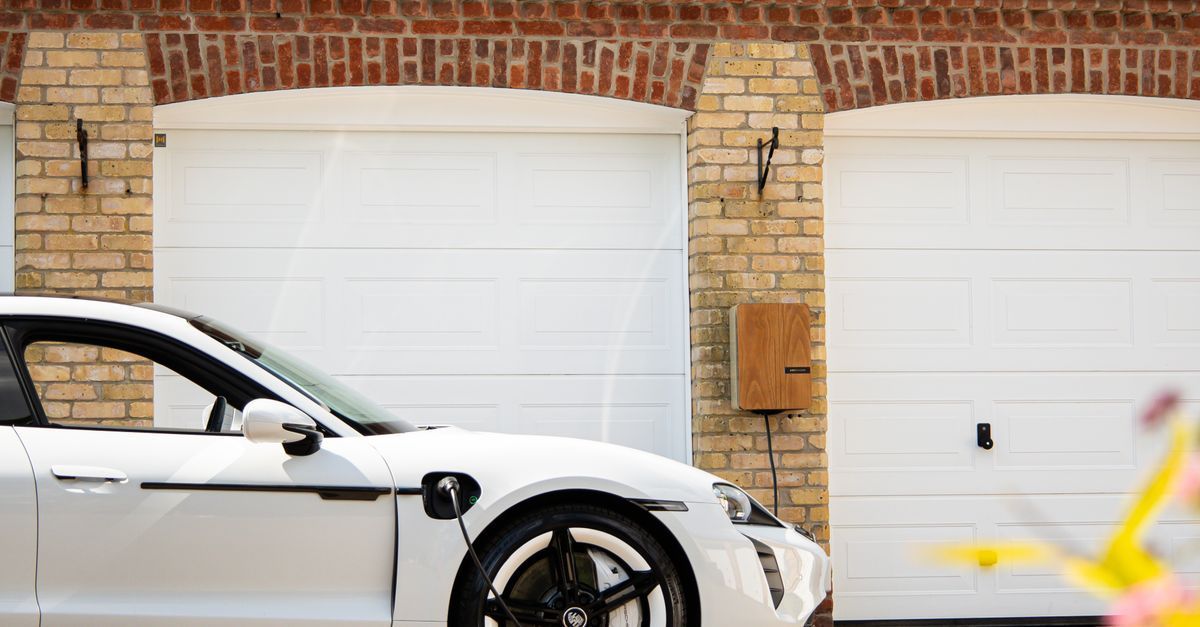
- Charge an electric vehicle during daylight when it's at home
- Put an electric hot water system on a daytime timer
During our on-site assessment, we ask how you use your appliances across the day so we can match the system size and layout to how you actually live.
Self-consumption vs feed-in tariff: using your own solar first
Self-consumption means using solar power at the moment it's generated. Each kilowatt-hour you use this way saves you the full retail price of that electricity. A feed-in tariff is what your retailer pays you for surplus power you export, and it's usually well below the retail rate.
That gap is why two homes producing exactly the same amount of solar can see different returns. The home that uses most of its solar on site will almost always come out ahead of the one that exports most of it.
With feed-in tariffs trending down, getting self-consumption right matters more than it used to. Practical ways to lift it include:
- Pre-cooling or pre-heating the house while the system is producing strongly
- Using smart plugs and timers on large appliances
- Shifting hot water heating into the late morning
- Daytime EV charging
We'll talk you through your retailer's tariff structure and help you find a sensible balance between system size, self-consumption and realistic export levels.
Roof orientation, tilt and shading: what your property gives you
The direction and angle of your roof affect how much power the panels produce and when during the day they produce it. A typical Nowra home might have a few options:
- North-facing : the highest total yield, with strong midday production
- East-facing : more morning generation, which suits households with early usage
- West-facing : more afternoon generation, which can line up with late-day cooling
- East-west split : production spread across the day, often with less midday surplus
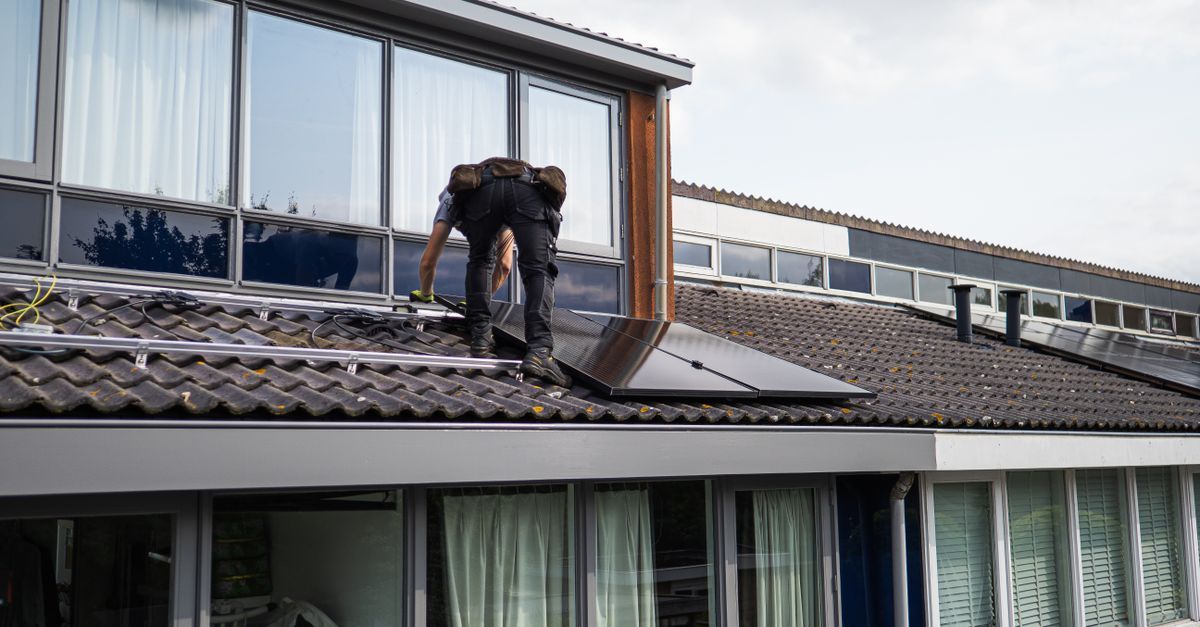
Shade from gum trees, a neighbour's second storey or a nearby hill can cut output by more than you'd expect. On a standard string inverter, shading on one panel can pull down a whole string. That's why a proper site inspection and shade assessment can improve returns compared with a design done from a satellite photo.
Our Clean Energy Council accredited installers use local experience to place panels where they'll deliver the best savings over time, taking seasonal shade, complex rooflines and coastal conditions into account.

System size and system cost: why "bigger" is not always "better"
A larger system can produce more savings overall, but if it's much bigger than your usage, a growing share of its output gets exported at the feed-in rate. That can stretch out the payback period.
Compare two homes:
- A home with a system matched to its usage : lower upfront cost, most of the generation used on site, and typically a shorter payback
- A home with a system well beyond its usage : higher upfront cost, a lower share used on site and more exported, and potentially a longer payback
Future plans change the picture, though. If you're about to buy an EV, switch to electric hot water or move off gas, a slightly larger system now can be the smarter long-term choice. The key is sizing for realistic future usage, not just filling the roof.
Our itemised, obligation-free quotes show how different system sizes affect your expected payback, so you can compare options side by side. If you're weighing up several installers, this story from Vincentia about comparing five solar quotes is worth a read.
Battery storage: when it helps your solar ROI
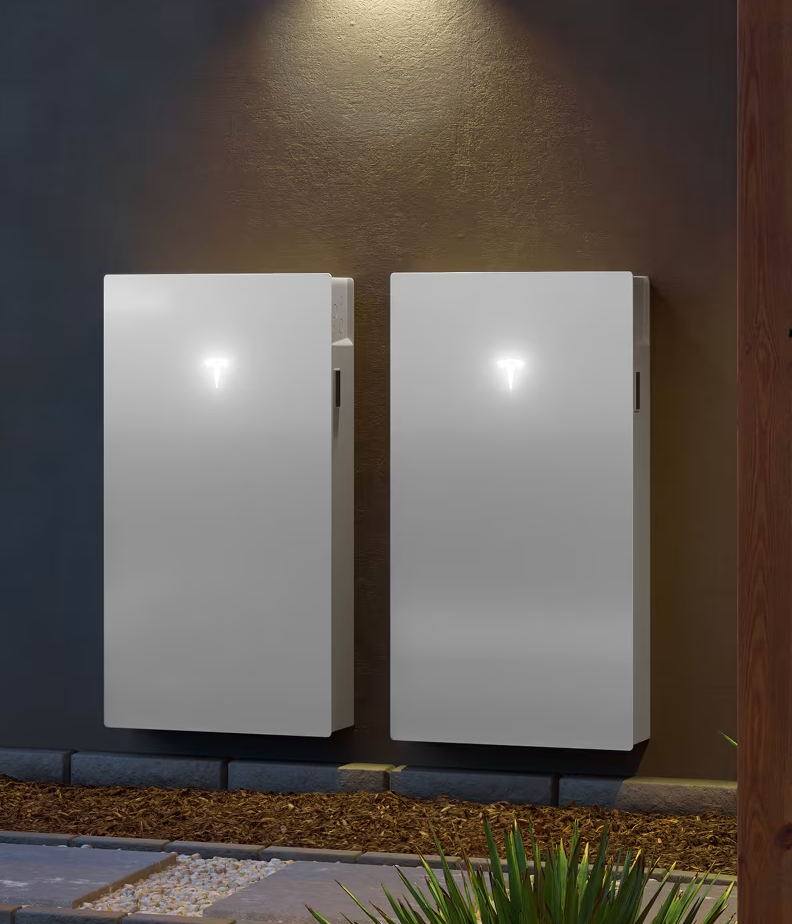
A home battery stores surplus solar during the day so you can use it in the evening. That can lift self-consumption significantly, especially for households with heavy evening use.
Batteries do add a substantial upfront cost, so their effect on payback varies from home to home:
- A stronger case for a battery : high evening usage, a low feed-in tariff, wanting backup during storms, and a budget that allows for it
- A weaker case : most usage already happens during the day, evening demand is modest, or the budget is tight
Some households get the best return by starting with solar only and a battery-ready inverter, adjusting their usage habits, and adding a battery later when the numbers stack up. That keeps the initial investment lean.
We install Tesla Powerwall and Sungrow batteries, and our licensed electricians can design both solar-only and solar-plus-battery options so you can see the difference in plain terms. Battery incentives have also shifted recently. Our guide to NSW battery rebate changes in 2026 explains what's changed.
Upfront costs, rebates and the federal tax credit landscape
The total cost of a solar installation covers the panels, inverter, mounting hardware, wiring, any switchboard work and labour. For an accurate payback calculation, always use the net cost after incentives rather than the headline price.
In Australia the main federal incentive is the Small-scale Technology Certificate (STC) scheme. It's applied as an upfront discount at the point of sale, and its value depends on system size and your STC zone. Nowra is in Zone 3. STC values decline each January, so the same system installed next year attracts a smaller discount.
A quick note on terminology: if you've seen a "federal tax credit" mentioned on overseas solar websites, that's an American scheme and doesn't apply here. Figures quoted from US sources won't match what you'll see in Nowra, so be careful when comparing online numbers.
Only CEC-accredited installers can create STCs, which is one reason accreditation matters. Our quotes clearly separate the system price from the rebate so you can see your true out-of-pocket cost. We include every rebate calculation in your quote, so there are no surprises.
Non-financial returns: comfort, resilience and carbon footprint
Plenty of Nowra homeowners care about more than dollars when they go solar. Generating renewable energy on your own roof reduces your household's reliance on grid power and lowers your carbon footprint.
There are practical benefits too:
- Running the air conditioner on a hot afternoon without dreading the next bill
- Less exposure to future electricity price rises
- Backup power during outages when solar is paired with a battery
- Years of low-cost power after the system has paid for itself
None of these show up in a calculator, but they're real reasons people choose solar.
How Denali Solar Nowra helps you maximise your solar ROI
Denali Solar Nowra is a Clean Energy Council accredited installer with over 10 years of local experience across Nowra and the Shoalhaven. We know the local roof types, the shading from coastal bushland, and how Essential Energy handles grid connections in this area.
Our process is designed to give you a realistic picture of your return:
- A free on-site assessment of your roof, shading and switchboard
- A review of your recent electricity bills and tariff
- A conversation about how you use power across the day, your future plans and your budget
- A system designed around your home, not a one-size-fits-all package
Licensed electricians are on every job, and every installation complies with AS/NZS 5033 and AS 4777. Your quote is itemised and obligation-free, with no pushy sales, no confusing jargon and no guessing.
Next steps: check your likely solar payback and talk to a local expert
The best system is the one that fits your roof, your budget and the way your household uses power, not the biggest deal advertised online.
Grab a recent electricity bill, think about when your household uses the most power, and try our Solar ROI Calculator for a starting estimate. Then book a free on-site assessment and we'll refine that estimate using your real roof and shading.
Call Denali Solar Nowra today on 0483 742 075 or request your obligation-free quote online.
Frequently Asked Questions about solar ROI in Nowra
Can solar panels still cut my bills if I'm not home during the day?
Yes. Even if you're out during work hours, putting flexible loads like the washing machine, dishwasher and pool pump on daytime timers can noticeably lift how much solar you use yourself. Surplus power still earns a feed-in credit, though the biggest savings come from using solar on site. We can look over your bills and tell you honestly whether solar makes sense for an evening-heavy household.
Will solar panels get rid of my electricity bill completely?
For most households, no. You'll still have a daily supply charge and some grid use at night and on cloudy days. A realistic goal is to substantially reduce your bills over the year. Chasing a zero bill can lead to oversizing and a weaker return, so we'll show you how different system sizes compare for your home.
Should I wait for prices to drop before installing solar?
Waiting has a cost too: every year without solar is a year of savings you don't get. STC values also decline each January, which reduces the rebate on the same system. If you're planning a renovation or a new roof, it can make sense to line solar up with that work. Talk to us about your plans and we'll help you pick the right timing.
How accurate are online solar ROI calculators?
They're a useful starting point, but real-world results depend on shading, orientation, your retailer's plan, component quality and your household's routine. Use a calculator result as a guide, then have a local installer confirm it with an on-site assessment. That combination gives you the most reliable picture before you commit.
What maintenance keeps my solar return on track?
Solar panels need very little maintenance, but in coastal areas salt, dust and bird droppings can reduce output over time. We recommend cleaning your panels every 6 to 12 months and booking regular inspections. Keep an eye on your inverter's monitoring app too. Spotting a drop in production early stops a fault from quietly eating into your savings.