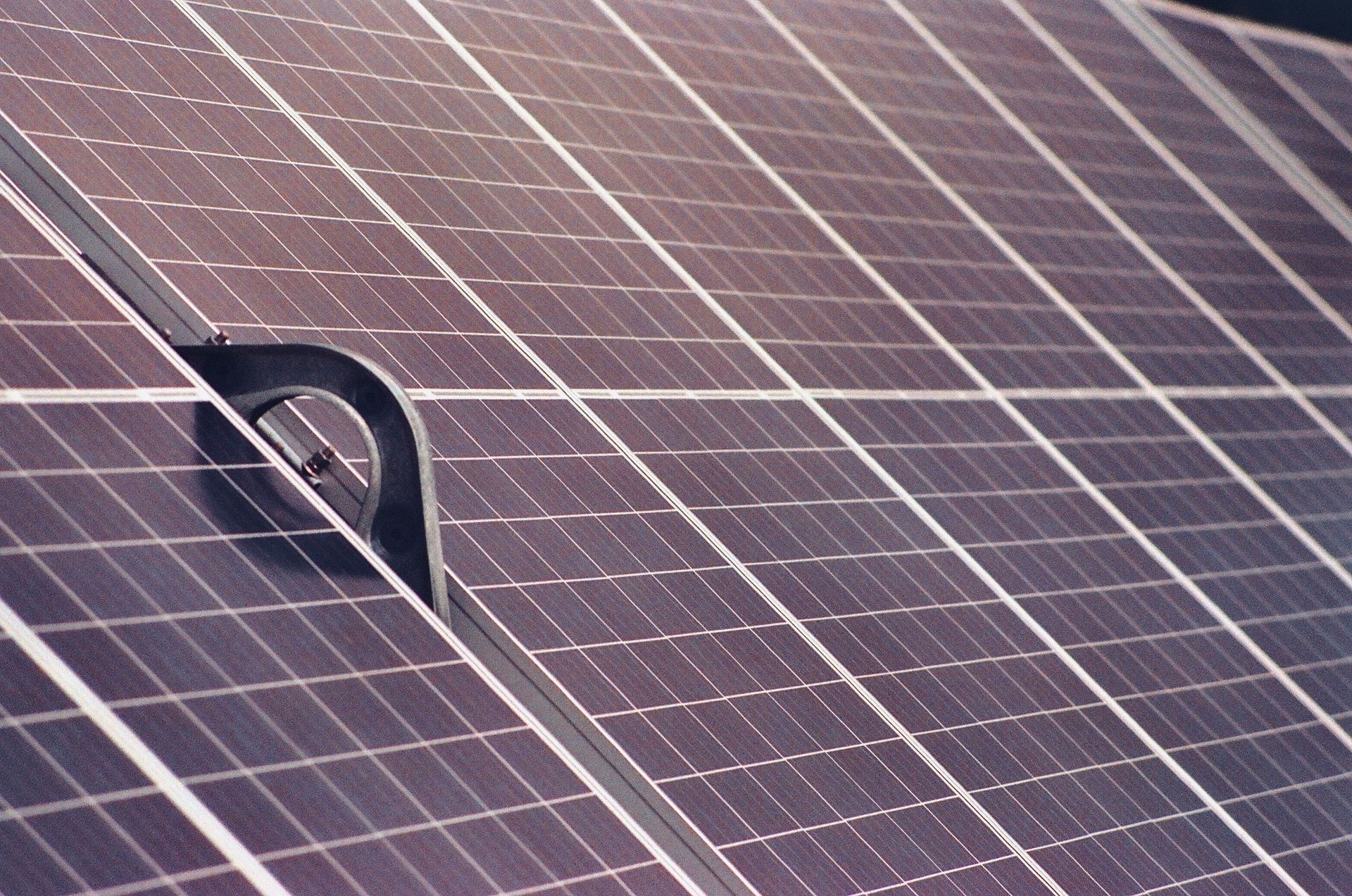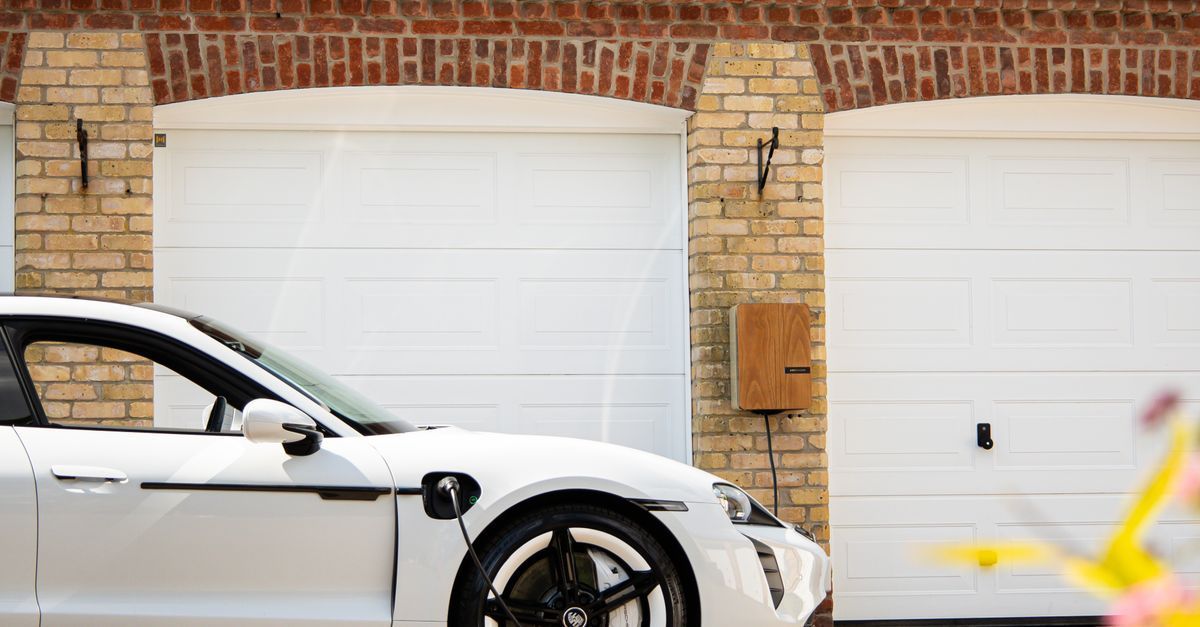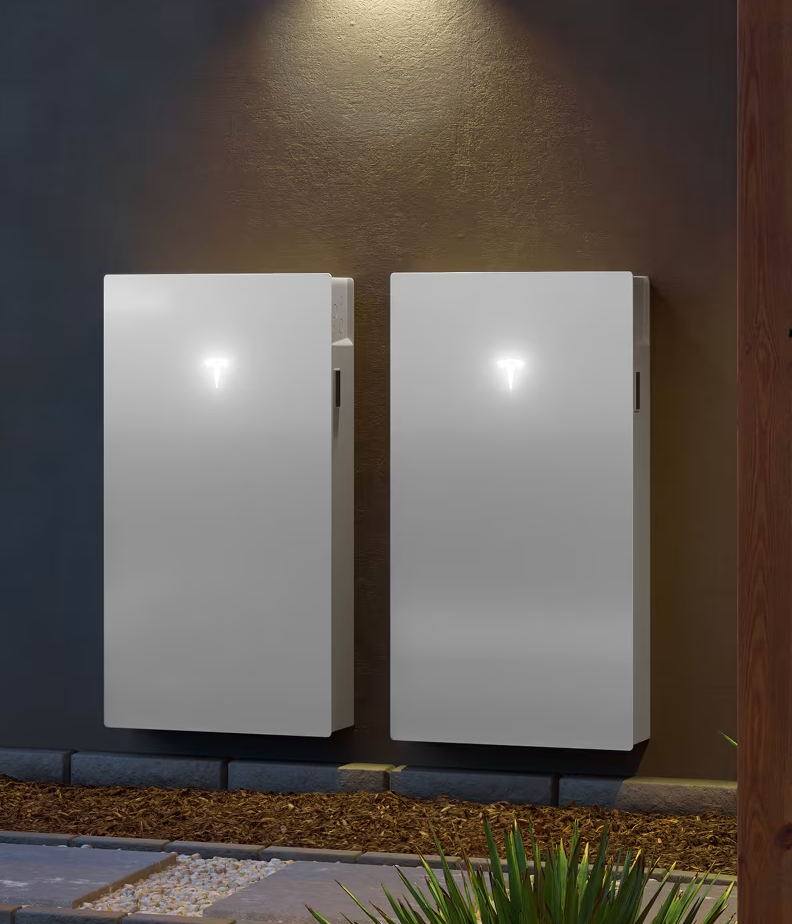


How many solar panels do I need? It's one of the first questions Nowra homeowners ask us, and the answer isn't one number that suits everyone. It depends on how much electricity your household uses, how much roof space you have, and what you're planning for the next few years. At Denali Solar Nowra we size systems for homes across Nowra, Bomaderry, Berry, Worrigee and the wider Shoalhaven every week. This guide walks you through the same steps we use, so you can get a ballpark figure before you talk to an installer.
Key Takeaways
- A 6.6kW system is the most popular size for average family homes in our area. With the 415W to 440W panels we typically install, that works out to about 15 to 16 panels.
- You can work out a rough answer in four steps: find your daily kWh on your power bill, divide by Nowra's roughly 4.8 peak sun hours to get system size in kW, divide by panel wattage to get a panel count, then check your roof space.
- Future plans often push the number up. An EV, more air conditioning or a battery can make a larger system the smarter long-term choice.
- A free on-site assessment confirms the right size. Denali Solar Nowra is a Clean Energy Council accredited installer. Call 0483 742 075 or see our solar installation Nowra page.
1. Start With Your Electricity Bill: How Much Electricity Do You Use?
The number of solar panels you need starts with your electricity use, not with the panels themselves. Grab a recent power bill. Most NSW bills show your average daily usage in kilowatt-hours (kWh), usually in a usage summary or graph. That figure tells you how much electricity your home draws on a typical day.
If your bill only shows total kWh for the billing period, divide it by the number of days in the period to get a daily average.
A few tips for getting an accurate number:
- Look at a full year if you can. Twelve months of bills smooths out the seasonal swings from summer air conditioning, winter heating and school holidays.
- Adjust for recent changes. If you've just added ducted air conditioning, a pool or a second fridge, your past bills will understate your current use.
- Note when you use power. Daytime use is covered directly by solar. Evening use needs a battery or comes from the grid.
When we visit, we go through your bills with you so the system is sized to your real usage, not a guess.
2. Turn Daily kWh Into a Solar System Size (kW) for Nowra
Solar system size is measured in kilowatts (kW), and the goal is a system that produces roughly what your household uses on an average day across the year. The key local number is peak sun hours. Nowra averages around 4.8 peak sun hours per day, which is a productive level for rooftop solar.
The rule of thumb: system size (kW) ≈ average daily usage (kWh) ÷ 4.8
Worked examples (illustrative only):
- A home using 20 kWh a day: 20 ÷ 4.8 ≈ 4.2kW. Most households would step up to a 5kW or 6.6kW system to allow for cloudy days, winter and future needs.
- A home using 30 kWh a day: 30 ÷ 4.8 ≈ 6.25kW, which usually rounds up to a 6.6kW system or a little larger.
Real-world output is always a little lower than the panel rating, because of inverter losses, heat, dust and shading. That's why installers add some headroom rather than sizing to the exact calculation. Roof direction and shade also change output, so we fine-tune the size after inspecting your property.
3. Convert System kW Into "How Many Solar Panels Do I Need?"
Once you know your target system size, you can work out the panel count by dividing the system size (in watts) by the wattage of each panel. At Denali Solar Nowra we install high-efficiency panels from Trina, Jinko and other trusted brands, typically rated between 415W and 440W.
Formula: number of panels ≈ system size (kW) × 1,000 ÷ panel wattage (W)
Using that formula:
- 3kW system: about 7 panels at 440W, or 8 at 415W
- 6.6kW system: about 15 panels at 440W, or 16 at 415W
- 10kW system: about 23 panels at 440W, or 24 to 25 at 415W
- 13kW system: about 30 panels at 440W, or 31 to 32 at 415W
Higher-wattage panels produce more power from each panel, so you need fewer of them for the same system size. That's especially useful when roof space is tight or the roof has several small faces.
4. Check Your Roof Space and Orientation
Your roof sets the practical limit on how many solar panels you can install, even if the maths says you need more. Panels come in standard sizes and need spacing for mounting rails and clearances, so the usable area is always smaller than the total roof.
Common things that reduce usable space:
- Chimneys, flues and vents
- TV antennas and satellite dishes
- Skylights
- Shade from trees, hills or neighbouring buildings
Direction matters too. In Nowra, north-facing roofs give the strongest all-day production. East and west faces still work well but produce a little less each day, which can change how many panels we recommend to meet your needs.
During our free on-site assessment, we measure your roof, check for shade and design a layout that suits tile, metal or Colorbond roofing, including the complex rooflines and heritage homes common around Nowra.
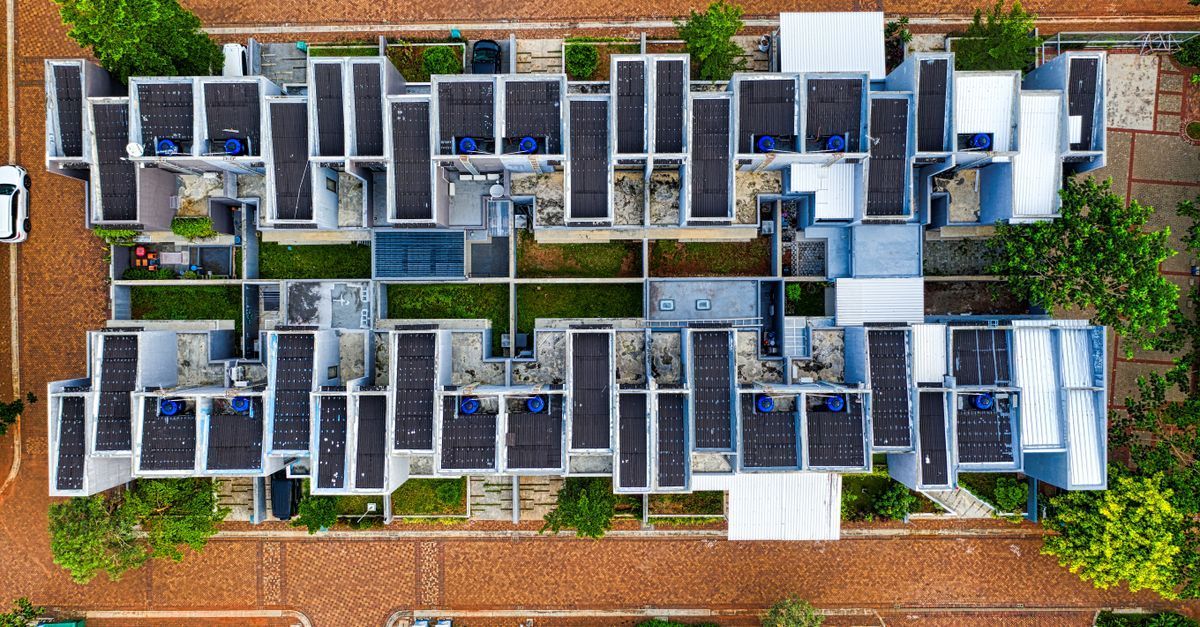
5. Decide How Much of Your Electricity Bills You Want to Offset
You don't have to cover every kilowatt-hour you use with solar. Many households size their system to cover most daytime usage, and that's often the most cost-effective choice.
Daytime loads benefit most directly from solar. Pool pumps, air conditioning, a home office and an electric hot water system on a timer can all run straight off your panels.
For example, a household with steady daytime use might choose a 6.6kW system that covers most of the day and still exports a little on sunny afternoons. A family that's out all day and uses most of its power in the evening might be better off with a smaller system, unless they plan to add a battery later.
Feed-in tariffs for exported solar are trending down and are usually much lower than what you pay for grid power. The best savings come from using as much of your own solar as possible. We'll look at your usage pattern and tariff to help you decide how much of your bill to target.
6. Thinking About a Bigger Solar System for Future Energy Plans
A well-sized system should support your realistic plans for the next five to ten years as well as today's usage. It's usually cheaper to allow for growth now than to add panels later.
Changes that commonly increase electricity use in Shoalhaven homes include:
- Installing ducted or extra split-system air conditioning
- Buying an electric vehicle
- Switching to electric or heat pump hot water, or induction cooking
- Extending the house or having more people living at home
If your household expects any of these, sizing up to 8kW or 10kW, rather than stopping at 5kW, can make sense. There are practical ceilings, though: inverter capacity, roof space and network export limits all play a part.
Denali Solar Nowra installs residential systems from 3kW up to 13kW, and a 13kW system suits high-usage households, EV charging and heat pump hot water. If you're planning a renovation, that's a good time to think about solar too. Mark from Bomaderry explains why in his story about adding solar during a renovation.
7. Do You Plan to Add Battery Storage Now or Later?
Adding a battery usually means you need a larger solar system, because the panels have to cover your daytime use and charge the battery. Solar panels only generate during daylight, so a battery is what lets you use that energy after dark.
If your goal is to run air conditioning, cooking and hot water in the evening from stored solar, the system needs enough surplus to fill the battery reliably, including in winter when days are shorter.
As an illustration, a home that's comfortable with a 6.6kW system without a battery might move towards 8kW to 10kW once a battery is added, so both the house and the battery get enough energy.
We install Tesla Powerwall and Sungrow batteries, and we can also fit a battery-ready inverter now so a battery can be added later without major rewiring. We'll model options with and without a battery so you can see the difference for your home.
8. Typical System Sizes and Panel Counts for Nowra Homes
Most Nowra homes fall into one of a few system size bands. Here's a quick guide based on the sizes we install and the 415W to 440W panels we typically use:
- 3kW (about 7 to 8 panels): great for smaller homes and lower usage
- 6.6kW (about 15 to 16 panels): the most popular size for average family homes
- 10kW (about 23 to 25 panels): better for larger homes or small businesses
- 13kW (about 30 to 32 panels): ideal for high-usage households, EV charging or heat pump hot water
These are starting points. The exact size for your home should always be confirmed after a site inspection and a review of your bills.
9. Estimating Payback Period Without Guesswork
The payback period is how long it takes for your bill savings to add up to what you paid for the system. It's shorter when more of the system's output is used directly in your home, because the power you avoid buying is worth more than the feed-in credit for power you export.
Things that tend to shorten payback:
- Higher daytime electricity use
- Moving flexible loads like the pool pump, dishwasher and washing machine into daylight hours
- Sizing the system to realistic usage rather than oversizing
Adding a battery usually lengthens the payback period compared with solar alone, but many households choose one for backup and comfort anyway. A local installer can estimate your savings from your actual usage, the expected output of your chosen system in Nowra and your current tariff. That gives you a far more reliable figure than national averages. For a quick starting point, try our Solar ROI Calculator on the website.
10. Next Steps: Get a Tailored Solar System Size for Your Nowra Home
Here's the whole process again:
- Find your average daily kWh on your electricity bill
- Divide by 4.8 (Nowra's approximate peak sun hours) to get a system size in kW
- Divide the system size by the panel wattage to estimate how many panels you need
- Check your roof space and factor in your future plans
You can get a good ballpark figure yourself, but the final size is best confirmed on site. Denali Solar Nowra is a local, Clean Energy Council accredited installer with over 10 years of experience, and licensed electricians on every job. We design systems from 3kW to 13kW for homes across Nowra, Berry, Huskisson, Vincentia and the South Coast.
Ready to find out exactly how many solar panels your home needs? Call us today on 0483 742 075 or visit our solar installation Nowra page to book your free on-site assessment.
Frequently Asked Questions
How many panels are in a 6.6kW solar system?
With the 415W to 440W panels we typically install, a 6.6kW system has about 15 to 16 panels. At 415W you'd need roughly 16 (6,600 ÷ 415 ≈ 15.9), and at 440W exactly 15. The final count depends on your roof layout and shading, which we check during the site visit.
Is a bigger solar system always better?
Not always. A bigger system makes sense if you use a lot of power, plan to add an EV or a battery, and have the roof space. Oversizing can mean exporting lots of power at a low feed-in tariff while paying more upfront. The right size balances your budget, your usage pattern, your roof and your future plans.
Will my solar panels still produce electricity in winter?
Yes. Shorter days and a lower sun angle mean winter output is lower than summer, and cloudy weeks reduce it further. That's one reason we often suggest a slightly larger system than the basic kWh ÷ 4.8 calculation. We'll explain how output is likely to vary through the seasons so you know what to expect on your bills.
Can I add more solar panels later?
Sometimes. It depends on your inverter's capacity, the roof space left and the network export limits for your property. Adding panels is usually easier and cheaper when it's planned from the start, which is why we talk through future needs during the design stage.
How do I know if my switchboard can handle the system size I want?
A licensed electrician needs to inspect it. Older homes in Nowra sometimes need a switchboard upgrade before solar can be installed safely. We check this during our free site assessment and include any necessary work in your quote upfront, so there are no surprises on installation day.