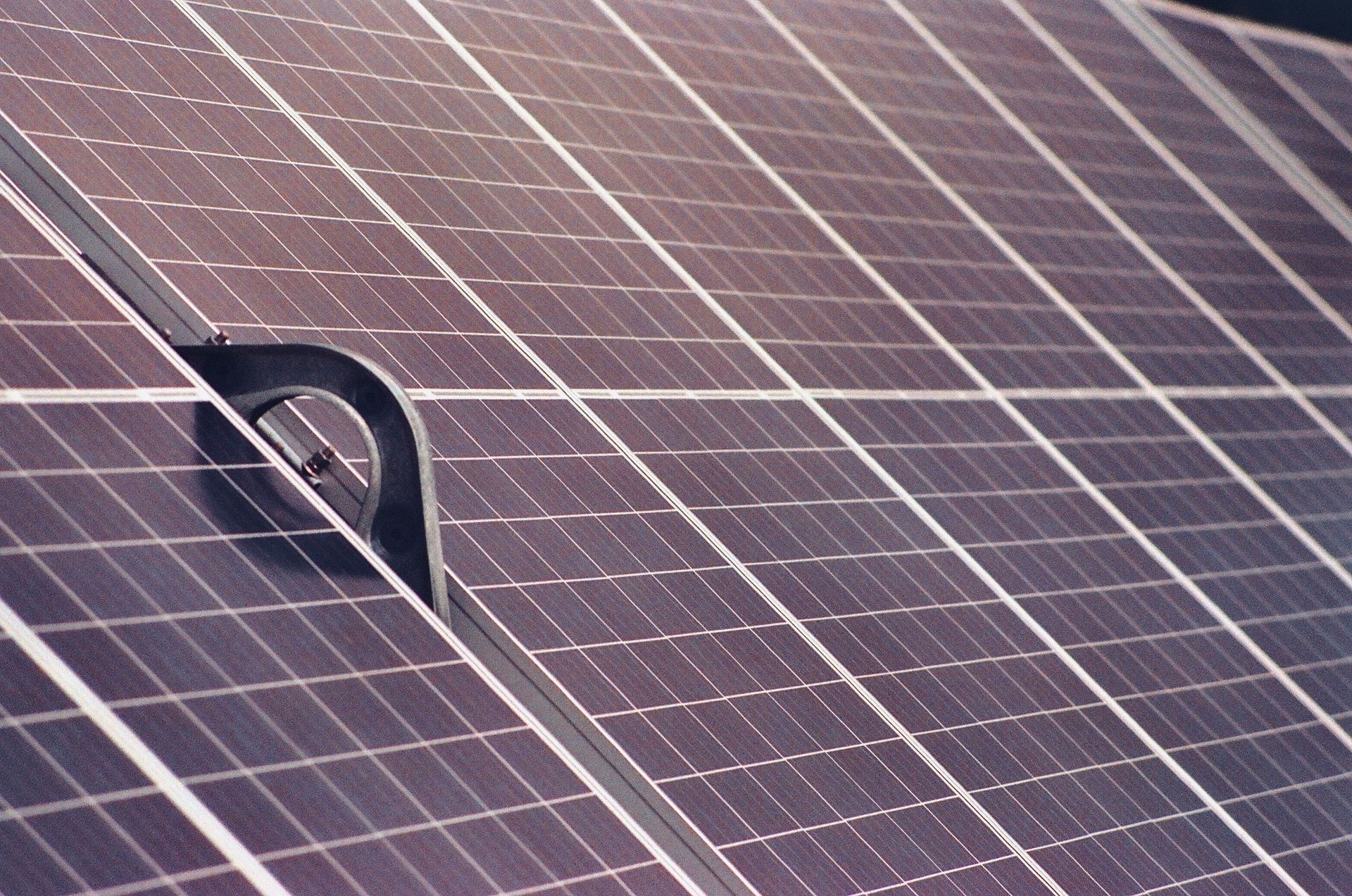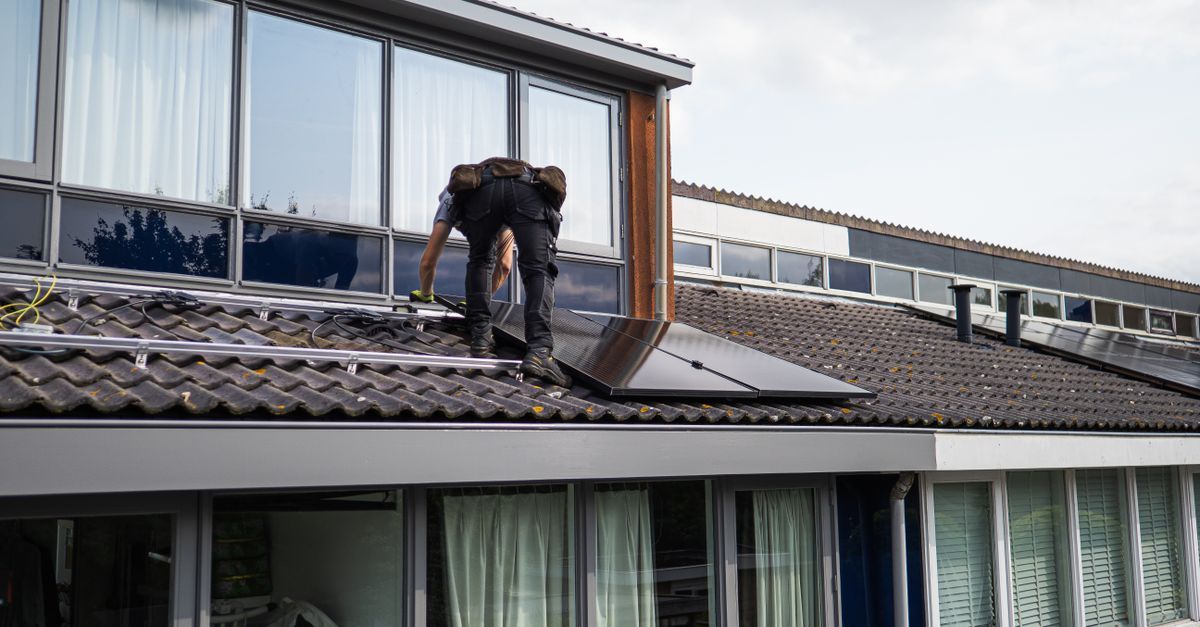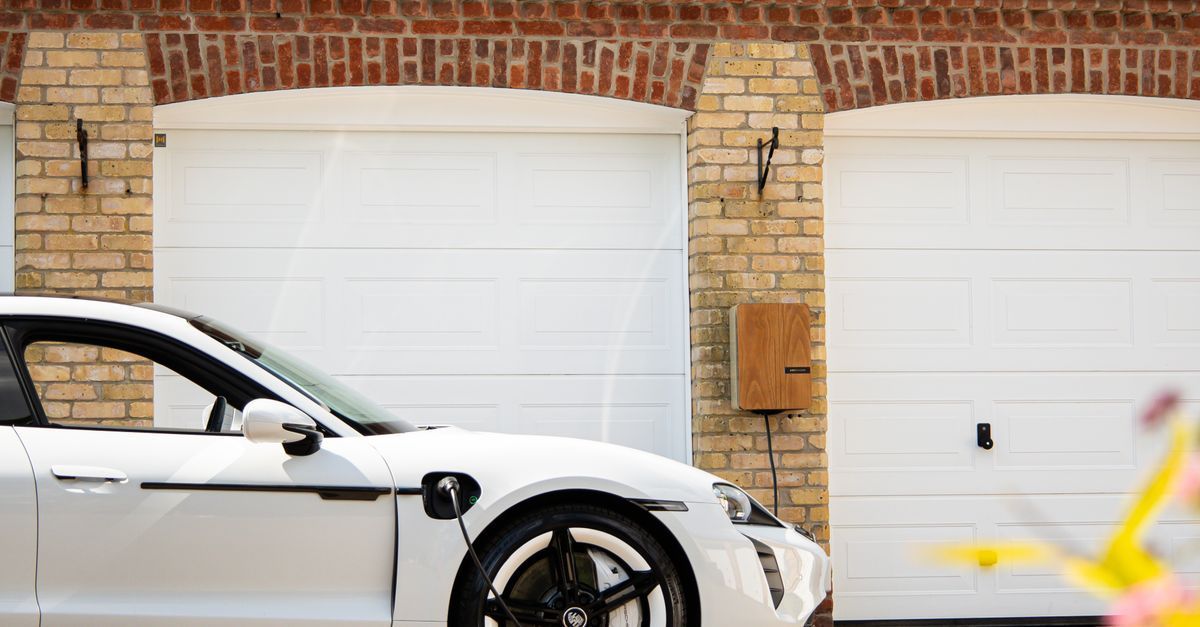


Is a solar battery worth it? For some Nowra households the answer is a clear yes. For others, it's "not yet". Whether battery storage makes sense for your home depends on when you use electricity, what tariff you're on, how long you plan to stay, and how much you value backup power. At Denali Solar Nowra we install Tesla Powerwall and Sungrow batteries across Nowra and the Shoalhaven, and we'll also tell you honestly when a battery doesn't stack up. This guide walks through the real trade-offs so you can decide for yourself.
Key Takeaways
- A solar battery stores surplus daytime solar so you can use it after dark , instead of buying grid electricity at retail rates. For some homes that shift changes the maths on power bills. For others, the upfront cost doesn't yet justify it.
- Solar panels usually deliver a stronger return than a battery on its own. Many homeowners do best by getting a well-sized solar system first, then deciding on a battery once they have real usage data.
- A battery is more likely to be worth it if:
- you use a lot of power in the evening, from air conditioning, cooking or pool pumps
- you're on a time-of-use tariff with expensive evening peak rates
- your feed-in tariff is low
- you want backup power during storms and outages
- You don't have to decide today. Denali Solar Nowra can retrofit a battery to a compatible existing system, or install a battery-ready inverter so you can add storage later. Not everyone needs one straight away, and we'll show you clear numbers so you can decide confidently. Call 0483 742 075 or visit our solar battery Nowra page.
What Is a Solar Battery and How Does It Work with Your Solar System?
A solar battery captures the surplus energy your panels produce during the day and holds it so you can use it later. Instead of exporting that surplus to the grid for a small feed-in credit, you use it to power your home in the evening and overnight.
Without a battery, a grid-connected system works in a simple loop. Your panels produce DC electricity, the inverter converts it to AC, and your appliances use it first. Any surplus is exported and your retailer pays a feed-in tariff. After sunset, you buy power from the grid at retail rates.
With a battery, surplus solar charges the battery during the day, and in the evening your home draws on that stored energy before it turns to the grid.
Most modern home batteries use lithium-based chemistry, and capacity is measured in kilowatt-hours (kWh). A small amount of energy is always lost in the round trip of storing and releasing power, which is normal. The main benefit is that you keep more of what your panels produce instead of sending it away cheaply.
Some batteries can also join a virtual power plant (VPP), where your battery occasionally supports the grid in return for credits. Whether that suits you depends on how much you value control of your stored solar versus the extra income.
When Is a Solar Battery Worth It for a Nowra Homeowner?
A solar battery is most likely to be worth it when your household uses a lot of power after dark and the gap between your feed-in tariff and what you pay for grid power is large. At Denali Solar Nowra we look at four things when we assess this:
- Evening and night-time usage. If most of your electricity use happens after sunset, you're buying grid power at its most expensive. A battery lets you cover those hours with your own stored solar.
- Time-of-use tariffs. Many plans charge more during late afternoon and evening peaks. Storing solar and using it in those hours avoids the priciest grid power.
- Low feed-in tariffs. With feed-in tariffs trending down, exporting surplus solar earns less than it used to. That makes storing it for your own use more attractive.
- How long you'll stay. If you plan to stay in your home for many years, you're more likely to see the full benefit. Most batteries last 10 or more years, with warranties covering thousands of charge cycles.
Our approach is straightforward: work out whether your usage pattern and tariff actually suit a battery before you spend the money. Sometimes that means installing solar first, watching your bills over a few seasons, then deciding with real data.
When a Solar Battery Probably Isn't Worth It (Yet)
A solar battery often isn't worth it yet for homes that already use most of their solar during the day or use little power at night. That's a perfectly reasonable conclusion, and we'd rather tell you than sell you something you don't need.
A battery may not stack up yet if:
- You're home during the day and use most of your solar directly. There's little surplus left to charge a battery.
- Your night-time usage is modest. A household that uses little power after dark doesn't need much storage.
- Your bills are already low. The upfront cost may take a long time to recover.
- You're on a flat tariff. Without a big gap between peak and off-peak prices, a battery has less to save you.
- Your existing solar system is small or old. It may not produce enough surplus to keep a battery charged most days.
In these cases, a smarter first step is often a well-sized solar system with a battery-ready hybrid inverter. That lets you add a Tesla Powerwall or Sungrow battery later without major rewiring, once your usage or budget makes sense of it.
How a Solar Battery Can Cut Your Electricity Bills
A solar battery cuts your electricity bills by letting you use your own stored solar instead of buying grid power later in the day. The value comes from the gap between the small credit you'd get for exporting that energy and the higher price you'd pay to buy it back in the evening.
How much a battery saves depends on how well it's sized and how you use power. A battery that's regularly filled by surplus solar and emptied by evening use will save more than one that sits half-used.
Batteries can also be set to cover your most expensive tariff periods first. Some plans allow charging from cheap off-peak grid power on overcast days when solar falls short.
Rather than quoting generic savings figures, we model your actual bills and usage pattern, day versus night, to show how much of your grid use a battery could realistically cover. That way your estimate is based on your numbers, not marketing claims.
Backup Power and Energy Independence in Nowra
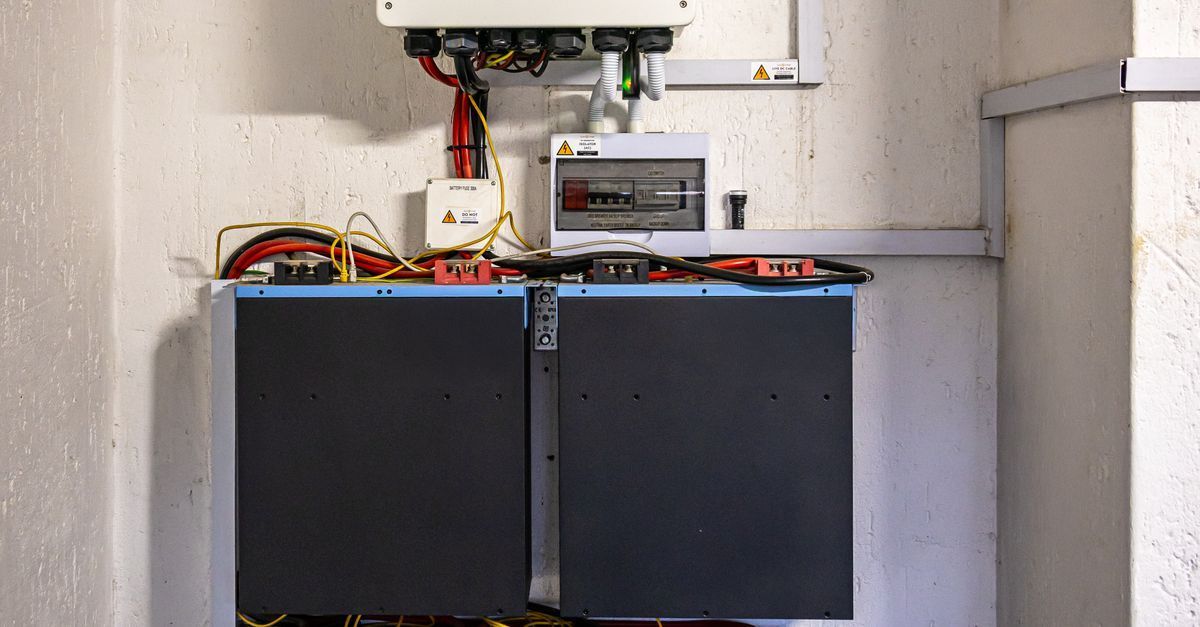
A solar battery can keep essential appliances running during a blackout, as long as the system is designed and wired for backup. That matters in parts of the Shoalhaven where power interruptions can happen during storms or peak demand.
Not every battery installation includes blackout protection automatically. It needs a suitable inverter and backup circuit, set up by an accredited installer.
In practice, backup usually covers essential circuits such as:
- lights
- the fridge and freezer
- your internet modem
- a few key power points
Backing up the whole house, including ducted air conditioning and pool pumps, needs a much larger battery and careful design, and often isn't cost-effective.
Beyond outages, a battery reduces your reliance on the grid and your exposure to future price rises. For many people, knowing that more of their power comes from their own roof is a benefit in itself. If complete independence is the goal, our guide to whether off grid solar is right for you covers the next step up.
We can set aside part of your battery's capacity for backup while still using most of it each day for bill savings.
Battery Capacity, Sizing and Matching to Your Solar Panels
The right battery size depends on how big your solar system is, how much power you use at night, and whether you want essentials-only or wider backup. Capacity is measured in kWh, and usable capacity is often a little less than the headline figure.
When we size a battery, we look at:
- Your solar system size. A larger system produces more surplus during the day, giving the battery more to work with.
- Your overnight usage. Your bills and meter data show how much you draw between sunset and sunrise.
- Your backup priorities. Which circuits you want kept running during an outage.
A battery that's too big for a small solar system may rarely charge fully. One that's too small leaves you buying a lot of grid power overnight. We install Tesla Powerwall and Sungrow batteries matched to your household usage patterns and energy goals, and we plan for near-future changes like an EV or electric hot water.
Installing a Battery Now vs. Going "Battery-Ready" First
Many Nowra homeowners can choose between installing a battery at the same time as solar, or going battery-ready first and adding storage later. Both approaches are valid.
Battery-ready means choosing a compatible hybrid inverter and system layout when your solar goes in, so a battery can be connected later without major rewiring. Your upfront cost is lower, and you get time to see your real usage across the seasons before choosing a battery size.
Installing solar and a battery together means one installation, a simpler design, and backup and evening savings from day one.
We design both options and show you the trade-offs, including how your existing switchboard and meter box affect each one.
Adding a Battery to an Existing Solar System (Retrofit)
Yes, a battery can often be added to an existing solar system, as long as it's compatible. Many Nowra households with solar already want to know whether they can add storage without replacing everything.
There are two main ways to retrofit a battery:
- DC-coupled: if your system already has a compatible hybrid inverter, a battery such as Sungrow can connect directly.
- AC-coupled: an AC battery, such as a Tesla Powerwall, sits on the AC side and can work alongside many existing inverters.
Older or smaller inverters may need an upgrade or switchboard work first.
As a Clean Energy Council accredited installer, we can assess your existing system, check compatibility and tell you whether a battery is practical. Have a recent electricity bill and your inverter's make and model handy when you call, so we can quickly see whether a retrofit is likely to cut your grid use enough to be worthwhile.
Government Support, Federal Rebate and Virtual Power Plant (VPP) Options
Government incentives can reduce the upfront cost of a home battery, but the rules and amounts change, so it's worth checking what applies at the time you get a quote. Incentives generally require approved products installed by an accredited installer, and they're usually applied as a discount on your quote.
The NSW battery rebate rules changed in 2026. We've explained what that means for local homeowners in our article on NSW battery rebate changes in 2026.
A virtual power plant works like this: your battery occasionally charges or discharges under the control of a program operator, in return for credits or payments. That can add value, but it may also mean your battery is partly drained during a period of high grid demand, which could leave you with less backup during a storm or hot evening.
We'll guide you through eligibility, paperwork and timing, and help you weigh up VPP participation against keeping full control of your battery.
Beyond Dollars: Environmental and Lifestyle Benefits
A solar battery lets you use more of your own renewable energy, which reduces your reliance on the grid during the evening peak. For many Nowra households, that environmental benefit matters as much as the payback period.
Solar and a battery also make it easier to electrify more of your home over time, from reverse-cycle heating and induction cooking to heat pump hot water and eventually EV charging.
The lifestyle benefits are real too:
- comfortable evenings with the air conditioning running on stored solar
- more resilience during blackouts
- more predictable energy bills
We help households move towards energy independence at a pace that suits their budget and priorities, without pushing the biggest system possible.
How Denali Solar Nowra Helps You Decide Confidently
Denali Solar Nowra helps you decide on a battery by showing you clear numbers for your home. Not everyone needs one straight away, and we'll tell you if that's the case for you.
Our process:
- Review your electricity bills, ideally across a full year
- Assess your current or planned solar system, how much surplus it produces and whether your inverter is compatible
- Talk through lifestyle factors like EV plans, working from home, a pool or moving off gas
- Compare options side by side: solar only or solar with a battery, and a battery now or later
We're a Clean Energy Council accredited installer based in South Nowra, with over 10 years of local experience and licensed electricians on every job. We install batteries for homes in Nowra, Bomaderry, Berry, Huskisson, Vincentia and across the South Coast.
Call us on 0483 742 075 or visit our solar battery Nowra page to book a free, no-pressure consultation.
FAQs: Solar Batteries and Nowra Homes
How do I know if my current solar system can take a battery?
It depends on your inverter, wiring and switchboard, not just your panels. Find the make and model of your inverter and have a recent bill ready, then get in touch. We'll check whether a Tesla Powerwall or Sungrow battery can be added. Sometimes a new hybrid inverter or minor electrical work is needed first.
Will a battery keep all my appliances running in a blackout?
Most home battery systems back up essential circuits only, such as the fridge, some lights, the internet modem and a few power points. Backing up big loads like ducted air conditioning needs a much larger system. Think about which appliances you really need during an outage, and we'll design around that list.
Can I add more battery capacity later?
Often, yes. Some Sungrow systems are modular, so extra battery modules can be added later, and more than one Tesla Powerwall can be installed. Tell us about likely future changes, like buying an EV or switching from gas, so we can plan for expansion from the start.
What happens if rebates or tariffs change after I install?
Any rebate applies at the time of installation, so later policy changes affect new systems rather than yours. Tariffs and feed-in rates can change over time, which may improve or reduce your savings. The core benefits of using more of your own solar, backup power and more control over your energy stay the same.
Should I oversize my solar panels if I'll add a battery later?
A slightly larger solar system can help if you're planning a battery, because it produces more surplus to charge it. Avoid extreme oversizing that runs into inverter or export limits. We'll plan your panel layout, inverter and future battery together so they work well as a system.