

If you drive an electric vehicle, or you're thinking about buying one, your rooftop solar can do more than cut your power bills. It can fuel your car too. Charging an EV with solar panels is one of the simplest ways to get more value from a solar system, and it works well in Nowra's sunny coastal climate. In this guide, the team at Denali Solar Nowra explains how solar EV charging works, how to size your system, when to charge, which chargers help, and whether you need a battery.
Key Takeaways
- You can charge your EV straight from your rooftop solar by plugging in during daylight, when your panels produce the most. You don't need a special "solar-only" car or charger brand.
- High-usage households with an EV often suit a larger system. A 13kW system is ideal for high usage and EV charging.
- A smart EV charger can follow your solar output, using surplus power first and avoiding unnecessary grid use.
- A battery is optional. A Tesla Powerwall or Sungrow battery helps with overnight top-ups, but many households charge mostly during the day without one.
- Get advice for your home. Book a free on-site assessment with Denali Solar Nowra on 0483 742 075.
How Solar Panels Can Charge Your EV (Explained Simply)
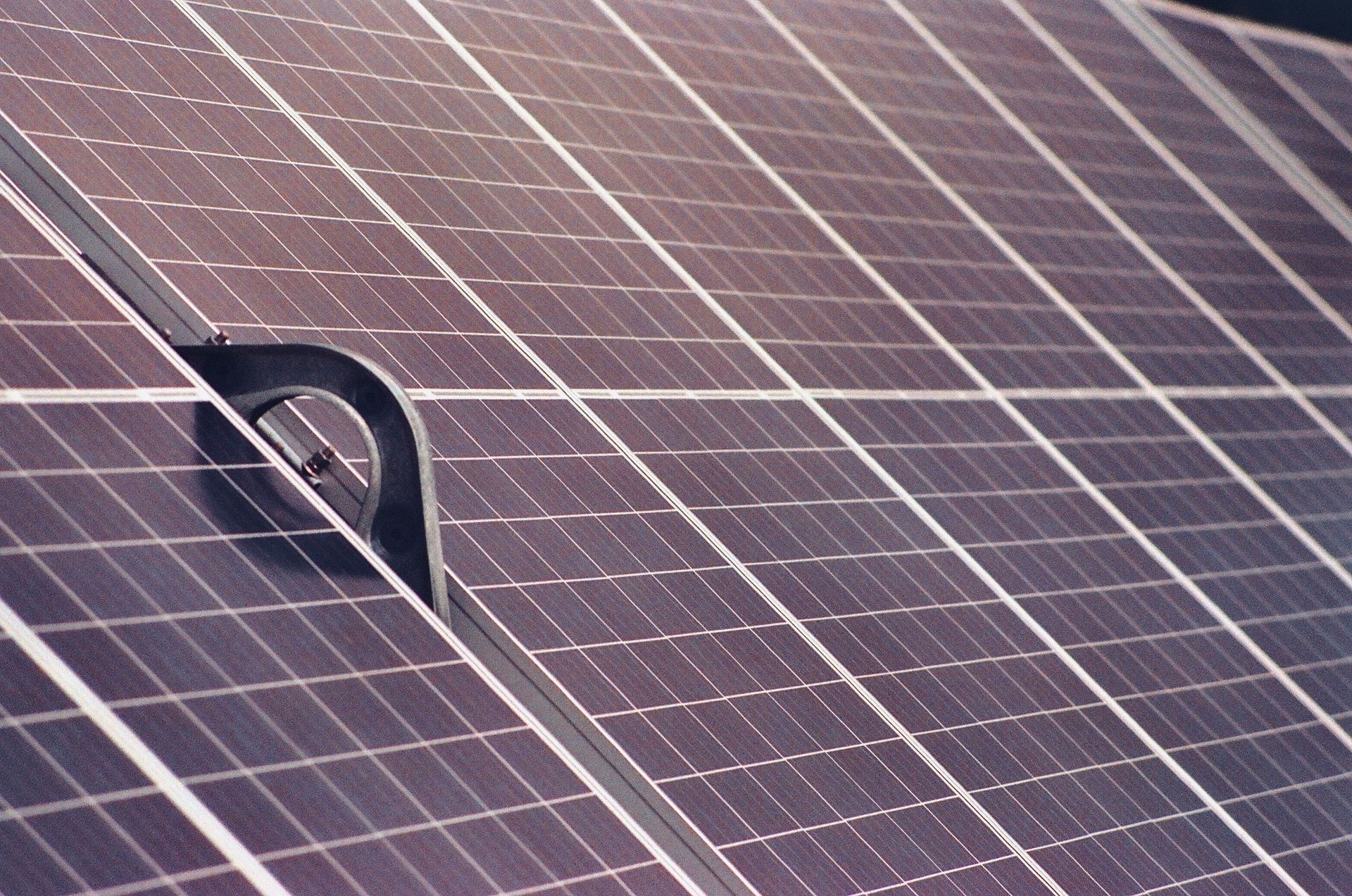
Solar panels charge an EV the same way they power the rest of your home. At Denali Solar Nowra we explain it like this: your panels generate direct current (DC) electricity, and your inverter converts it into alternating current (AC), the kind your appliances and EV charger use.
Here's the order the power flows in:
- The panels produce DC power.
- The inverter converts it to AC power.
- Household loads like the fridge, lights and air conditioning take what they need first.
- Any surplus flows to your EV charger if the car is plugged in.
- Whatever is left over is exported to the grid.
You don't need a dedicated "solar EV charger" for this to work. Any home charger on the same switchboard will use solar when it's available. A smart charger just does a better job of matching the charging rate to what your panels are producing at that moment.
Whether your solar can cover both the house and the car on a given day depends on your system size, how far you drive and when the car is home. We cover each of those below.
Why Charge Your EV With Solar Energy Instead of the Grid?
Charging your EV from your own solar is usually the cheapest way to run it. Every kilowatt-hour your car takes from your panels is one you don't buy from your retailer, and it's worth more to you than the low feed-in tariff you'd get for exporting it.
Here's why it makes sense for Nowra households:
- Lower running costs. Using surplus solar in your car instead of exporting it for a small credit gets more value from every panel on your roof.
- Convenience. Charging at home means fewer trips to public chargers. For most daily driving around Nowra, Bomaderry and the Bay, home charging covers it.
- Cleaner driving. Your car runs on renewable energy from your own roof rather than grid power.
- Protection from price rises. The more of your energy you produce yourself, the less exposed you are to rising electricity prices.
- Long-term value. Once the system has paid for itself, the solar your car uses costs you very little for the rest of the system's life.
How Big Should Your Solar System Be If You Own (or Plan to Own) an EV?
An EV adds to your household's daily electricity use, so EV owners usually need a larger solar system than they would otherwise. How much larger depends on your household's existing usage, how far you drive each day and when the car is parked at home.
Denali Solar Nowra installs residential systems from 3kW to 13kW. As a general guide:
- Lighter-use households with short local trips may manage home and EV charging with a mid-sized system, especially if the car is home during the day.
- Working families with longer commutes and air conditioning, appliances and regular EV charging usually need a larger system.
- High-usage households with multiple EVs, workshop tools or heat pump hot water are well suited to a system around 13kW.
To estimate your EV's needs, check your car's energy use per 100km (shown in the car's app or trip computer) and multiply by your typical daily distance. Add that to your household's daily kWh and you'll have a rough target to size for.
Only an on-site assessment can size a system properly. Roof space, orientation, shade from gum trees or neighbouring houses, and your power supply all affect how many panels you can fit and how much they'll produce.
Daytime vs Night-time: When Is the Best Time to Charge Your EV?
The best time to charge your EV from solar is the middle of the day, when your panels produce the most surplus. If you work from home, do shift work or leave a second car at home, you're well placed to make the most of it.
If you commute and get home mid-afternoon, you can still catch useful solar in the late afternoon, though output drops as the sun gets lower.
Without a home battery, overnight charging comes from the grid. You can still keep costs down by scheduling overnight sessions for your retailer's cheaper off-peak window, if your plan has one.
Simple strategies that work:
- Plug in whenever the car is home during daylight.
- Use your car's or charger's scheduling feature to avoid expensive peak periods.
- With a smart charger, set a solar-priority mode during the day and schedule off-peak grid charging overnight if you need a top-up.
Smart EV Chargers: Getting the Most Out of Excess Solar
A smart EV charger watches your solar output and household use, then adjusts the charging rate to match the surplus available. That means less power exported at a low rate and less power imported at a high one.
In practice it works like this: when a cloud passes and output drops, the charger slows down or pauses. When the sun comes back, it ramps up again. Most smart chargers let you choose between modes such as:
- Fast: full speed, using solar and grid power together
- Solar first: solar is used first, topped up from the grid when needed
- Solar only: charging pauses when surplus solar drops too low
Some smart chargers also work with your inverter and battery. For example, some Sungrow systems let the inverter, battery and charger work together through one monitoring app on your phone.
A smart charger is most worthwhile if you have a larger solar system, variable work hours or a time-of-use tariff with expensive peak rates. Denali Solar Nowra can recommend and install a charger that suits your switchboard, your solar system and any battery you're planning.
Single-Phase vs Three-Phase: What It Means for EV Charging Speed
Most homes in Nowra have single-phase power, which is enough for comfortable overnight and daytime home charging. Three-phase power, found in some newer or larger homes, allows faster home charging and can also support larger solar systems.
Keep in mind that your car sets its own limit on how fast it will accept AC charging, so three-phase only helps if the vehicle supports it.
Moving to three-phase might be worth considering if:
- You have two EVs, or plan to
- You run heavy loads like ducted air conditioning or workshop tools while the car charges
- Your solar system is large enough that single-phase export limits are holding it back
An upgrade involves the local network, Essential Energy in our area, as well as your switchboard. Our licensed electricians can assess your existing supply and design EV charging and solar around it, whether you stay on single-phase or upgrade.
Do You Need a Home Battery to Charge Your EV From Solar?
You don't need a battery to charge an EV from solar. If the car is home during the day and your system is sized well, direct solar charging can cover most of your driving.
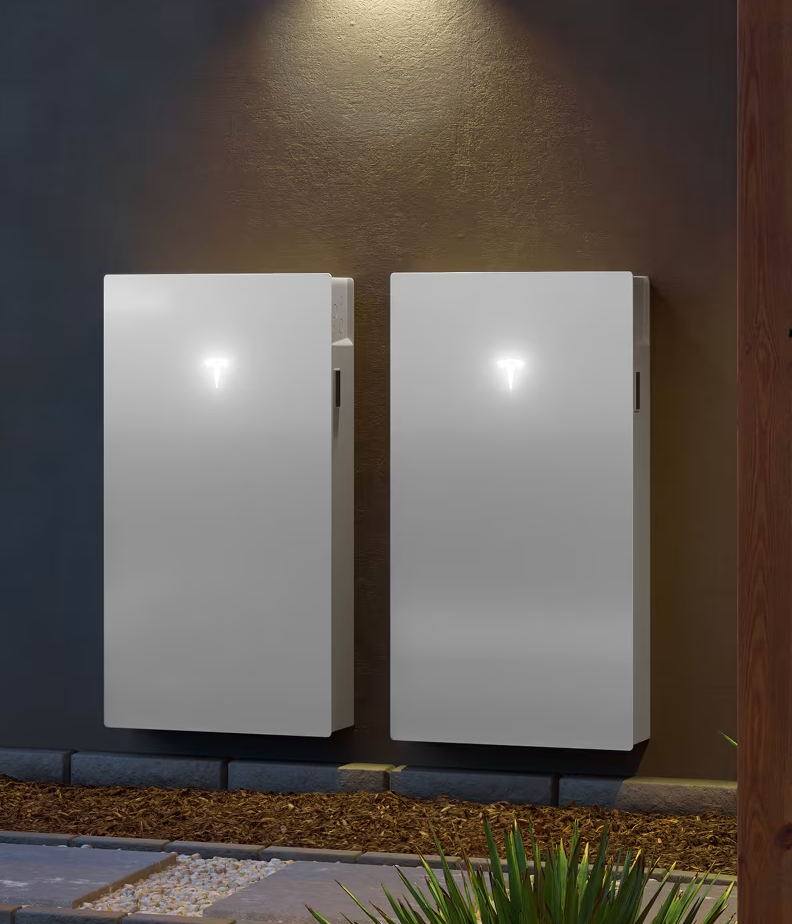
A home battery like a Tesla Powerwall or Sungrow stores surplus solar for later, so you can top up the car in the evening and keep essential circuits running during a blackout. That flexibility is the main reason EV owners add one.
An EV's battery is usually much larger than a home battery, though, so filling the car from the home battery every night isn't the most efficient approach. A balanced strategy usually works best:
- Use daytime solar for most of your EV charging.
- Keep the home battery for evening household loads and the occasional car top-up.
- Accept some grid charging on cloudy days, ideally in off-peak hours.
Some EVs and inverters now support vehicle-to-home, where the car can power the house. Whether that's possible depends on your vehicle and equipment.
We can configure your solar and battery so the car doesn't drain the home battery unnecessarily. If you're weighing up a battery, it's also worth reading our update on NSW battery rebate changes in 2026.
Practical Setup: Home Charging Options With Rooftop Solar
There are two main ways to charge an EV at a home with rooftop solar: a standard power point, or a dedicated wall-mounted charger.
- Standard power point: slow, but fine as a backup or for very low daily driving. Best for occasional top-ups during the day.
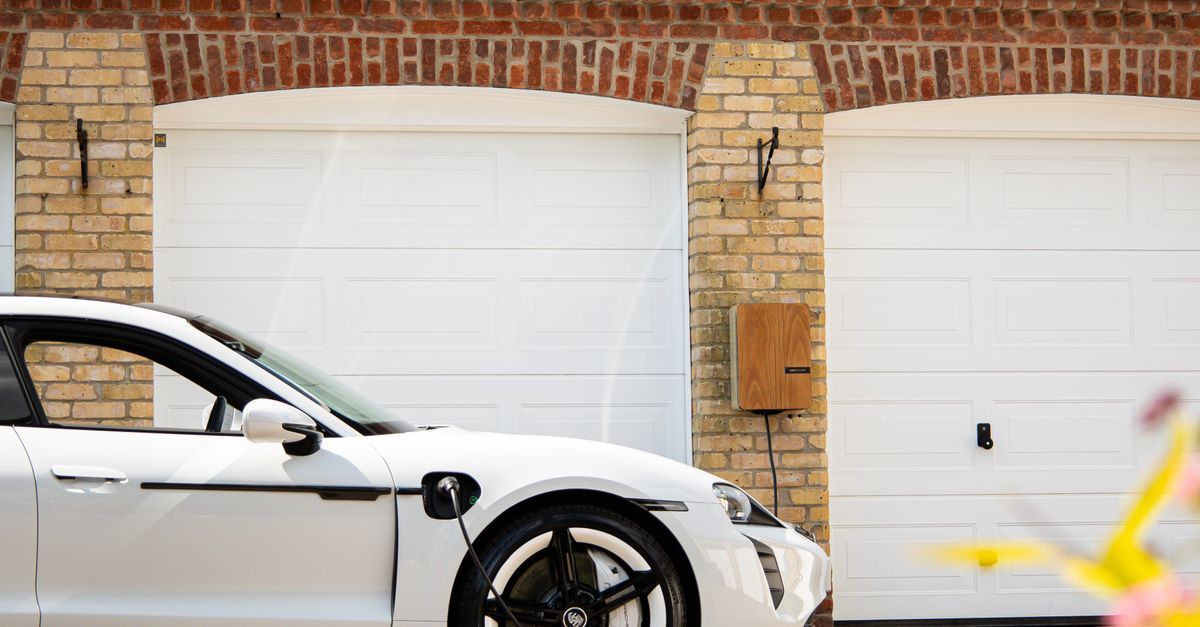
- Dedicated wall charger: faster and designed for regular use on its own circuit. Many support smart features and solar integration, and outdoor models are weather-rated for carports and driveways.
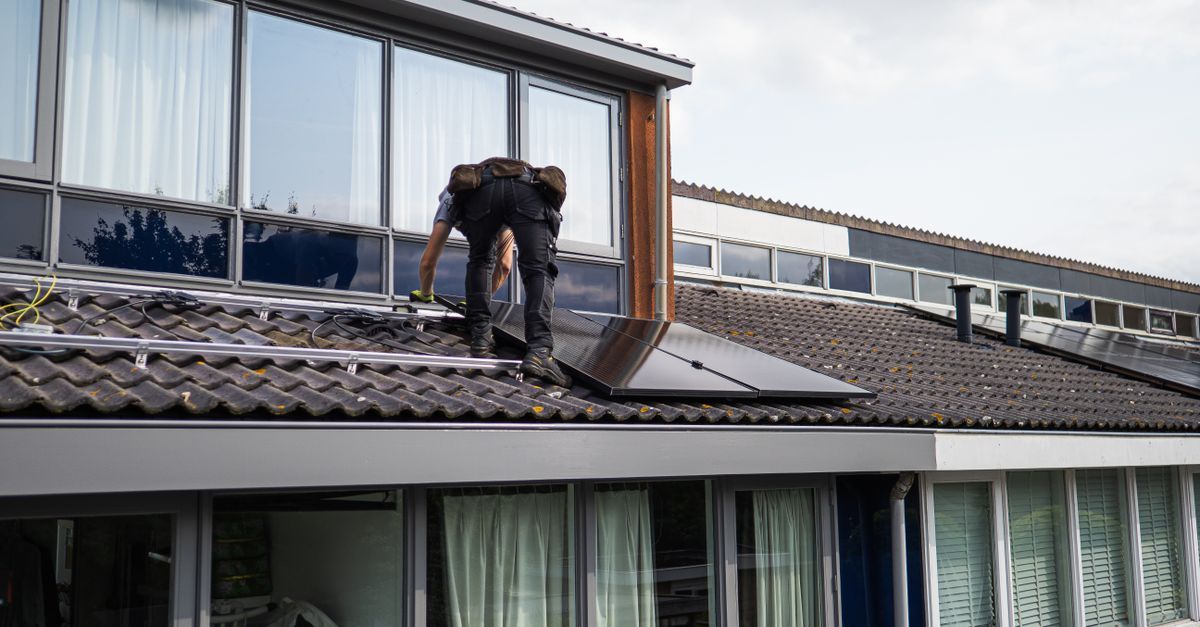
Putting the charger close to the switchboard and where you park keeps cable runs short and installation simpler. Denali Solar Nowra installs solar panels, EV chargers and batteries as one integrated system, with licensed electricians handling all the wiring.
For more on charger types and installation, visit our EV charger installation Nowra page.
Planning and Designing Your Solar + EV System in Nowra
Good planning upfront saves money and hassle later. Before you install solar, a charger or both, think through these questions:
- When is your car usually parked at home?
- How far do you drive in a typical week?
- Is a second EV likely in the next few years?
- Are you planning to add a battery later?
Your roof matters too. North-facing panels produce the most midday power in Nowra. East and west faces spread production across the morning and afternoon, which can suit some charging patterns. Shade from trees or buildings cuts output during the hours that matter most for daytime charging.
If an EV is on the way, sizing your solar system a little larger now is usually smarter than trying to add panels to an undersized inverter later. Choose an inverter that can grow with you, and leave room in the switchboard.
As a Clean Energy Council accredited installer, we'll walk you through these choices during a free on-site assessment, from roof layout and switchboard capacity to the right charger for your car.
Step-by-Step: How to Start Charging Your EV From Solar With Denali Solar Nowra
- Get in touch. Call Denali Solar Nowra on 0483 742 075 or enquire online to book a free on-site assessment.
- Site visit. We look at your switchboard, roof, any existing solar, your recent electricity bills and your EV or plans.
- Tailored proposal. You get an itemised, obligation-free quote covering system size, a suitable EV charger and any recommended battery.
- Installation. Our licensed electricians handle the wiring, safety checks and commissioning, then show you how to use the charger and monitoring app.
- Fine-tune. After a few weeks, check your solar and charging patterns. Small changes to charging times can make a real difference, and we're a phone call away if you need help.
FAQs About Charging an EV With Solar Panels in Nowra
Can I fully charge my EV from solar on a sunny day?
On many clear days, a well-sized system can cover your household's normal use plus a typical daily top-up, especially if you plug in between late morning and mid-afternoon. Whether you can run on solar alone every day depends on your system size, how far you drive, the weather and when the car is home.
I already have solar. Do I need to replace it to add an EV charger?
Usually not. A charger is added as a new circuit on your switchboard. The main questions are whether your switchboard has capacity and whether your existing system produces enough surplus to make solar charging worthwhile. Older or smaller systems may benefit from an upgrade if your driving and household use are high. We can check this on site.
Should I add panels just for my EV if I don't drive far?
For low-kilometre drivers, timing often matters more than panel count. Shifting charging into the middle of the day with a timer or smart charger may be enough to use your existing surplus. A free assessment will show whether upsizing is worth it for you.
Can I still use public fast chargers if I mostly charge at home?
Yes. Home solar charging and public fast chargers work well together. Most EV drivers charge at home for everyday driving and use public chargers on longer trips.
How do I know if my switchboard can handle a charger and more solar?
Only an inspection by a licensed electrician can confirm your switchboard's capacity, supply and safety requirements. Older homes in the Shoalhaven sometimes need a switchboard upgrade first. Call Denali Solar Nowra on 0483 742 075 to book a free on-site assessment before you plan any upgrades.